Table of Contents
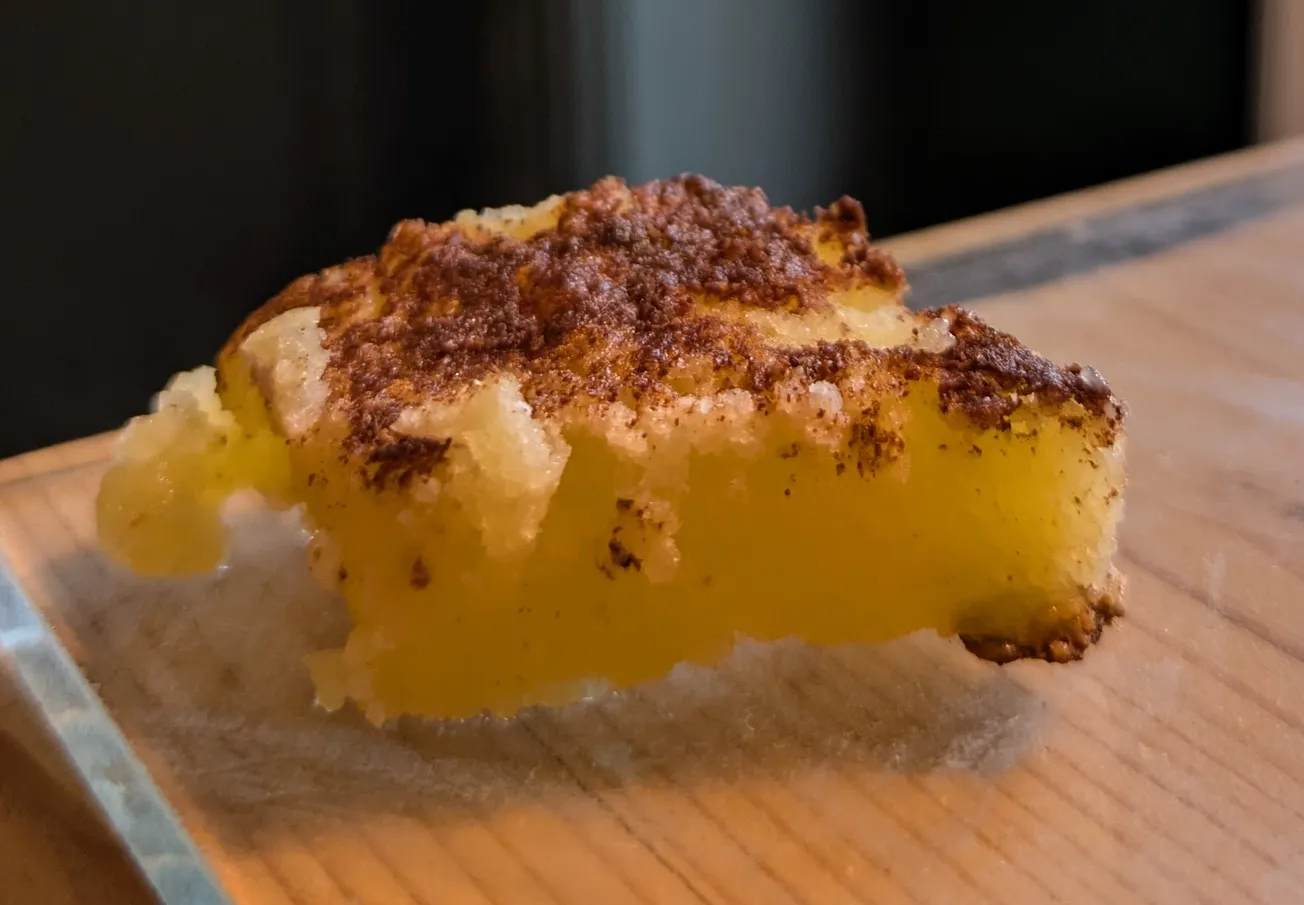
It is January in Atlanta. The ground is brown and lifeless. Our feet do not get warm no matter what way we pump warm air into the house. We want to eat, and sleep. We want soup, and sugar. Recently, I've been trying to fatten my aging father up on buttermilk. He loves to drink it and remembers his grandfather drinking it as a snack with green onions and cornbread. I am interested in sourcing it from Banner Butter, but thus far I am having trouble getting the subscription from Fresh Harvest, a farm-to-table delivery service in Atlanta, to work. I've emailed customer service. Time is no object. We don't want to drive for it. We want to eat, sleep, and stay warm. In the meantime, I've bought Borden, which makes a good, thin drinking buttermilk. Still, we want to eat, and stay warm. There is room for pie. That is how I ended up modifying Nathalie's Home-Style Buttermilk Pie in Mastering The Art of Southern Cooking to be crustless, added an excess of flour, poured the mixture into a pyrex, sprinkled it with cinnamon which formed a kind of crème brûlée crunchy cap, and seen I'd made a custard, which Dupree also calls it in the recipe.
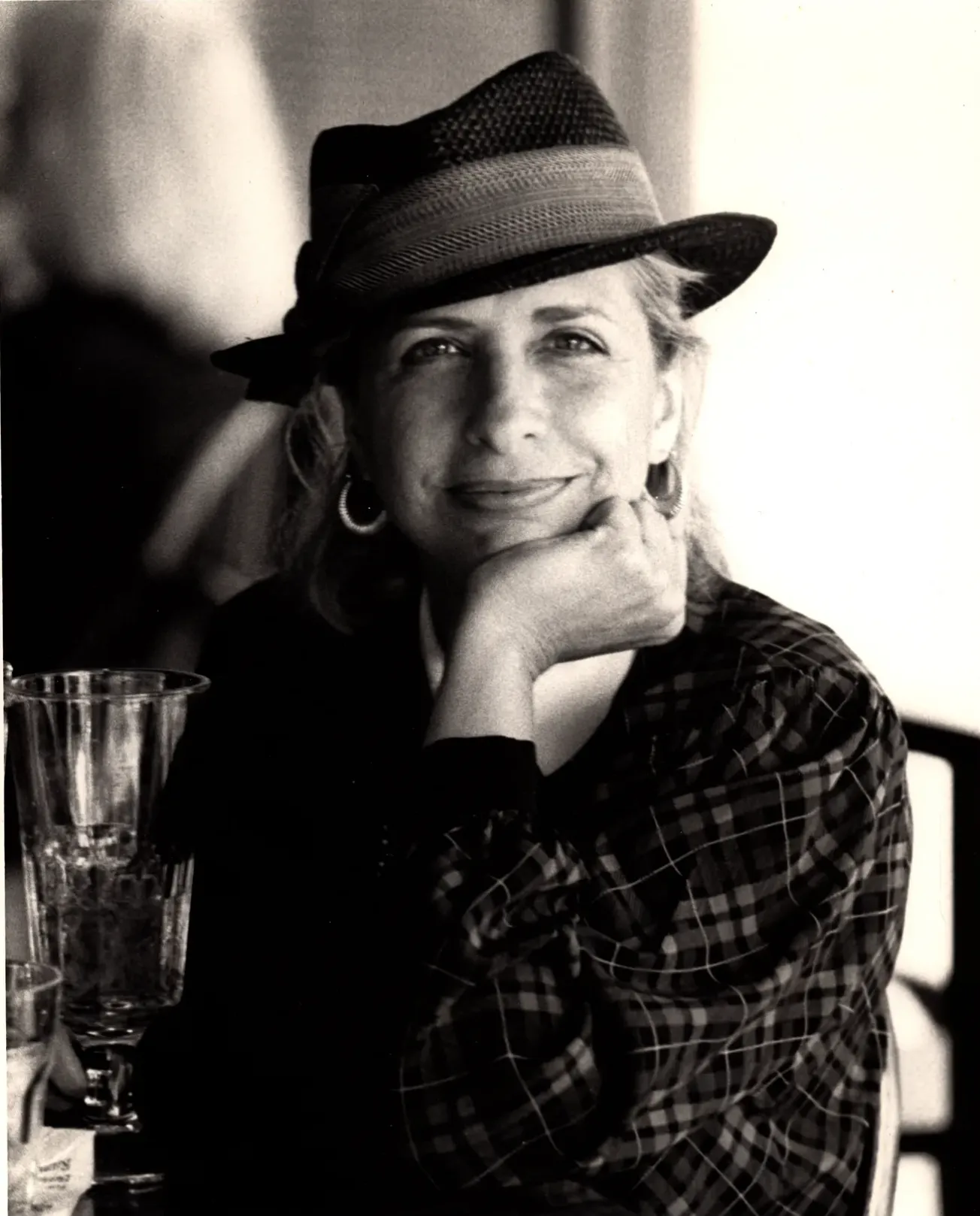
When we were fourteen, my best friend announced that she was a vegan, and swore she would remain one for the rest of her life. I decided to be vegetarian. Within a few years, we'd be serving time in detention for stealing the vacuum-sealed frogs meant for dissection, and hanging a painted sheet reading "biology kills" from our high school's balcony. A few more years would pass, and I would rekindle my romance with meat. It was a good run, but I am an omnivore. Twenty-five years later, she told me that if she had a pet, free-range chicken, she would eat its eggs. This was not a retreat from principle. Coming from someone who has held her convictions with almost ceremonial steadiness, the admission felt less like a loophole than a recognition of the egg’s peculiar moral status: nonviolent, renewable, a quiet transaction between bird and mammal that resembles a gift more than an extraction. It was a gentle evolution, not a gateway into any form of lowered expectation.
Eggs have long occupied this ambiguous place in our kitchens, both commonplace and faintly intimate. Nowhere is that tension more apparent than in dessert, where eggs rarely announce themselves and yet do nearly all the work. They turn milk and sugar into textures that feel inevitable rather than engineered—familiar without being obvious. Custard, in its most elemental form, is nothing more than eggs or egg yolks, dairy, and sugar, warmed until thickened. There is no flourish to the process. As heat is applied, egg proteins slowly unfold and link together, forming a delicate network that transforms liquid into something smooth, cohesive, and faintly luxurious. It is a restrained transformation, and it underwrites a surprising share of the dessert canon.
This reliance on gentleness has a long domestic history. Custards were already fixtures of medieval European cooking, often baked inside pastry shells—a habit that gave them their name, derived from crustade. These early versions were not necessarily sweet. Sugar was scarce, and eggs and milk were just as likely to be seasoned with herbs or cheese. Over time, as sugar became more widely available, custard drifted toward dessert. What endured was not a fixed recipe so much as a sensibility: attentiveness, patience, and an understanding that eggs respond best when they are not hurried.
That responsiveness is not uniform across all eggs. Anyone who cooks regularly comes to recognize the quiet distinctions. Eggs from grass-fed hens—deeper in color, with firmer whites and more cohesive yolks—tend to set more cleanly and emulsify with less coaxing, their richness arriving without excess. Duck eggs, larger and higher in protein, take this cooperation a step further: their yolks lend custards a denser silkiness, their whites produce foams that feel sturdier without becoming heavy. These differences rarely announce themselves outright, but they are felt in the bowl, in the way a mixture thickens or rises, in how willingly it responds to heat. They suggest that the value of an egg lies not only in its presence, but in the conditions under which it was made.
Flan emerges from this tradition with a slightly more ceremonial air. At heart, it remains a custard, but it arrives accompanied by caramel. Sugar is cooked until amber, poured into a mold, and topped with custard before baking. In the oven, the caramel hardens and then slowly dissolves, waiting to become a sauce. When the flan is unmolded, gravity completes the gesture, drawing the bittersweet syrup over the custard’s smooth surface. The effect feels less like decoration than inevitability, as though the dessert were simply revealing what it had been holding all along.
The dish’s history reinforces that sense of continuity. Versions of egg-and-milk custards sweetened with honey were known in Ancient Rome. As the form traveled across Europe, it became especially associated with Spain, and later crossed the Atlantic, where condensed milk, coconut, citrus, and cheese reshaped it according to local tastes. Despite these variations, flan has remained recognizably itself—economical, adaptable, and weighted with memory. It appears at holiday tables not because it surprises, but because it reassures.
Crème brûlée occupies a nearby but slightly more self-aware corner of the dessert table. It, too, is a baked custard, though it remains in its dish and saves its caramelization for the last possible moment. Sugar scattered across the surface is torched into a thin, glassy crust just before serving. The pleasure is immediate and sensory: the crack of the spoon, the cool custard beneath. Likely born in seventeenth-century France, with close cousins elsewhere in Europe, crème brûlée built its reputation by embracing contrast, turning restraint into a brief, controlled drama.
Soufflés take a different approach altogether, trading composure for aspiration. Built on whipped egg whites, they rely on air as much as structure. In the oven, trapped bubbles expand as heat converts moisture into steam, lifting the mixture upward for a few gravity-defying minutes. The base—often a custard or purée—exists largely to give the whites something to carry. Once the dish leaves the oven, the spell breaks. Steam escapes, the air contracts, and the soufflé settles back into itself. The collapse is not a failure but the natural conclusion of a dessert designed to be fleeting.
Between these familiar forms lie desserts that resist easy classification. Pots de crème, dense with cream and yolks, are baked custards served cold, luxurious in their refusal to be light. Zabaglione, or sabayon, thickens egg yolks, sugar, and wine over gentle heat while incorporating air, hovering somewhere between custard and foam. These in-between preparations suggest that egg cookery is less a taxonomy than a continuum, shaped by heat, movement, and intention.
And yet, for all this reverence for eggs, the modern kitchen has quietly adjusted its expectations. As plant-based proteins have become more familiar—valued not only for ethical reasons, but for their versatility, accessibility, and relative lightness—substitution no longer feels like an act of compromise. Whether prompted by allergies, environmental concerns, or simple curiosity, we have learned to rebuild these textures without eggs at all. What is striking is not how closely the results imitate the originals, but how naturally they follow the same underlying logic, translating old structures into a new culinary vocabulary.
Custard without eggs does not abandon structure; it merely assigns the work elsewhere. Cornstarch, arrowroot, and tapioca thicken liquids by swelling rather than coagulating, producing textures that can be glossy and smooth, if slightly more elastic. Agar-agar and carrageenan, derived from seaweed, set custards into clean, sliceable forms that recall flan or pots de crème, though with a firmness that feels more architectural than yielding.
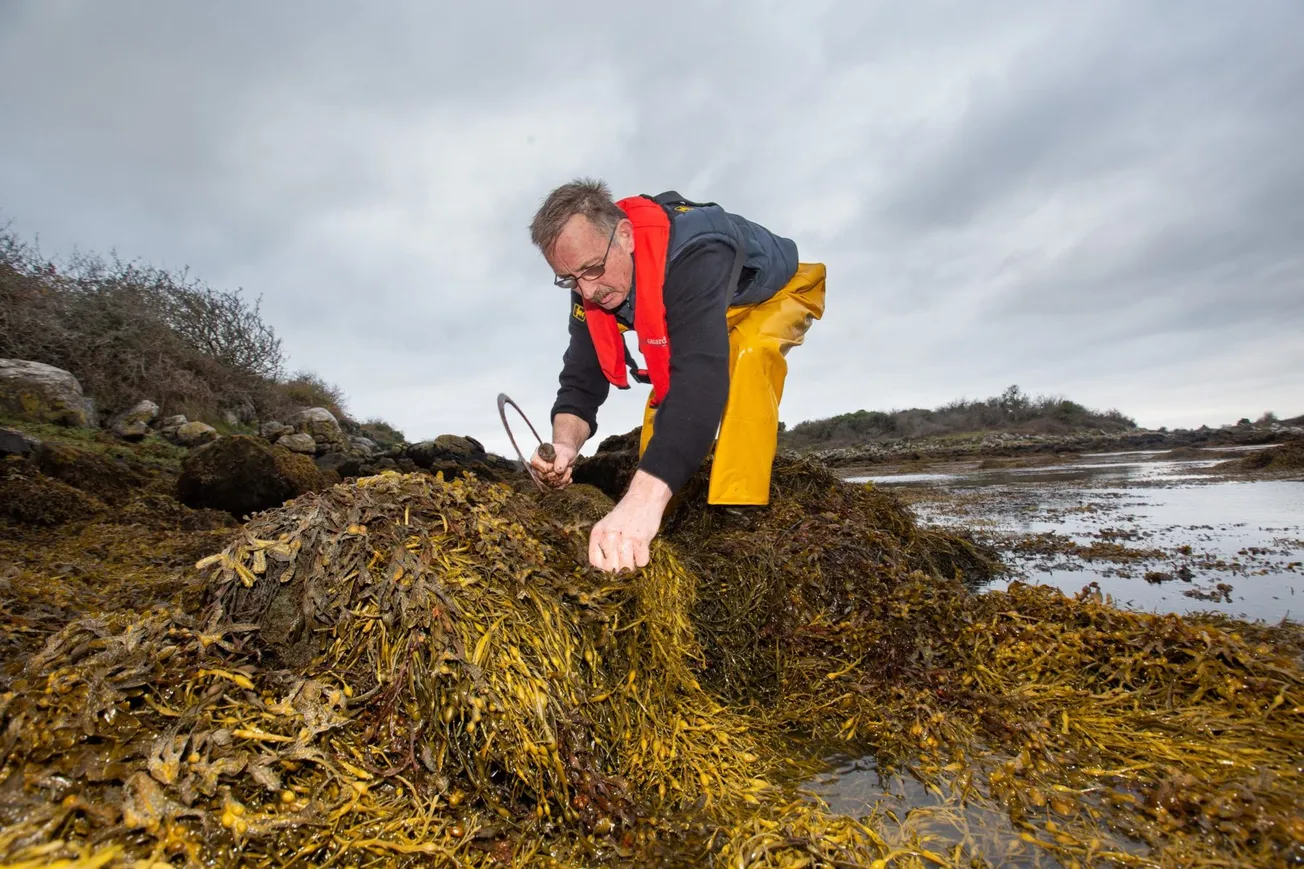
For the past year, that expectation has taken on a more literal form for me in the west of Ireland, where I have been experimenting with the protein extraction of lemna, more commonly known as duckweed. It is an unassuming plant—bright green, fast-growing, easily overlooked—that thrives on still water. Under the right conditions, it produces protein at a rate that feels almost improbable, and when isolated and refined, that protein behaves in ways that will feel familiar to anyone who has worked with eggs. It thickens. It binds. It carries air. Above all, it responds to heat and patience.
What makes lemna compelling is not only its functional resemblance to eggs, but the landscape in which it can exist. In Ireland, vast stretches of bogland have long been treated as marginal or exhausted, even as they continue to perform one of the quietest and most important tasks on the planet: sequestering carbon. Lemna can be cultivated across thousands of acres of these wetlands without disrupting that work, floating lightly on the surface while the peat below continues to store carbon dioxide. It is, in its way, another nonviolent transaction—one that asks little of the land and leaves its deeper labor undisturbed.
Working with lemna has sharpened my sense of what eggs have always represented in the kitchen. Not a flavor, exactly, and not a symbol, but a set of behaviors. Eggs have endured not because they are irreplaceable, but because they are cooperative. Whether they come from grass-fed hens, ducks, or a floating green plant, what matters is how willingly they respond—to heat, to motion, to time.
Perhaps this is why my friend’s quiet exception—her willingness to eat the eggs of a well-kept chicken—has stayed with me. It was never really about eggs themselves. It was about reciprocity, restraint, and the possibility of nourishment without harm. Eggs are like promises. In the kitchen, as in the field, the future of food may depend less on perfect substitutes than on learning to recognize familiar patterns in unfamiliar places.